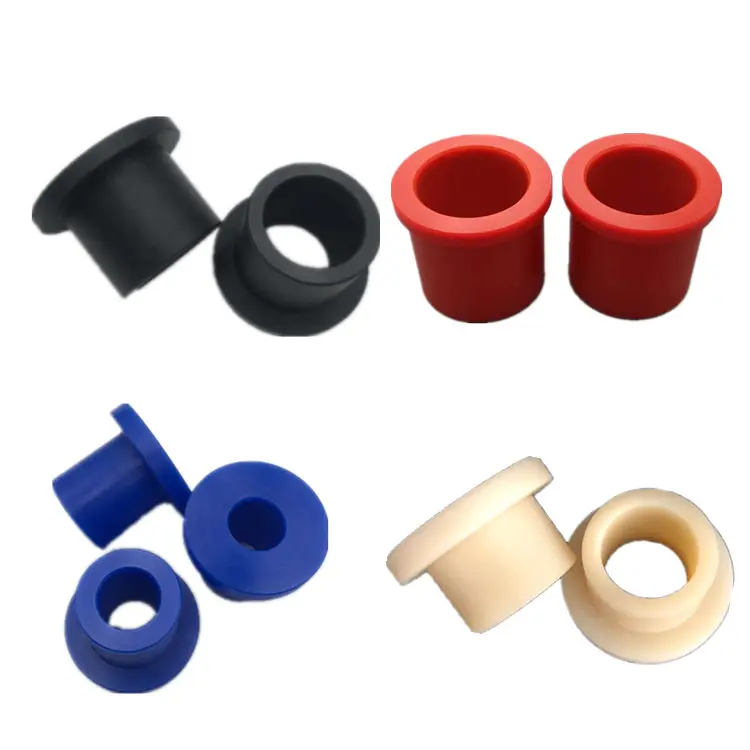
Can I find information on alternatives to plastic bushings for specific industrial applications?
If you are looking for information on alternatives to plastic bushings for specific industrial applications, there are several ways to find relevant information. Here’s a detailed explanation:
1. Research Online:
– Conduct a search on industrial websites, forums, and technical resources that focus on machinery, equipment, and industrial applications. Look for articles, whitepapers, or case studies that discuss alternative bushing materials or technologies.
– Explore manufacturer websites and product catalogs. Many manufacturers provide detailed information about their bushing products, including alternative materials they offer for specific applications.
– Check industry-specific publications or journals that cover topics related to machinery, equipment, or specific industrial sectors. These publications often feature articles or research papers discussing alternative bushing options and their suitability for various applications.
2. Consult with Industry Experts:
– Seek advice from industry professionals, engineers, or consultants who specialize in the specific industrial application you are interested in. They can provide insights based on their expertise and experience with alternative bushing materials.
– Attend industry conferences, trade shows, or seminars where you can network with experts and professionals in your field. Engage in discussions and ask questions about alternative bushing solutions for your specific application.
3. Contact Bushing Manufacturers:
– Reach out to manufacturers or suppliers of bushing products and inquire about alternative materials they offer. Many manufacturers have technical support teams who can provide guidance and recommendations based on your specific requirements.
– Share details about your application, such as operating conditions, load requirements, temperature range, and any specific performance criteria. This information will help manufacturers suggest suitable alternatives to plastic bushings.
4. Consider Other Bearing Types:
– In some cases, alternative bearing types may be suitable replacements for plastic bushings. Explore options like roller bearings, needle bearings, or sleeve bearings, depending on the specific application requirements.
– Each bearing type has its own advantages and limitations, so it’s important to consider factors such as load capacity, speed, lubrication requirements, and environmental conditions when evaluating alternative bearing options.
5. Evaluate Application-Specific Requirements:
– Consider the specific requirements of your industrial application when exploring alternatives to plastic bushings. Factors such as temperature range, chemical compatibility, load capacity, noise reduction, or self-lubrication can influence the suitability of different materials or bearing solutions.
– Take into account the overall performance, durability, and maintenance requirements of the alternative bushing options. Assess how they align with your application’s needs and any potential trade-offs involved.
By conducting online research, consulting with industry experts, contacting manufacturers, considering alternative bearing types, and evaluating application-specific requirements, you can gather valuable information on alternatives to plastic bushings for specific industrial applications. This will help you make informed decisions and select the most suitable bushing solutions for your specific needs.
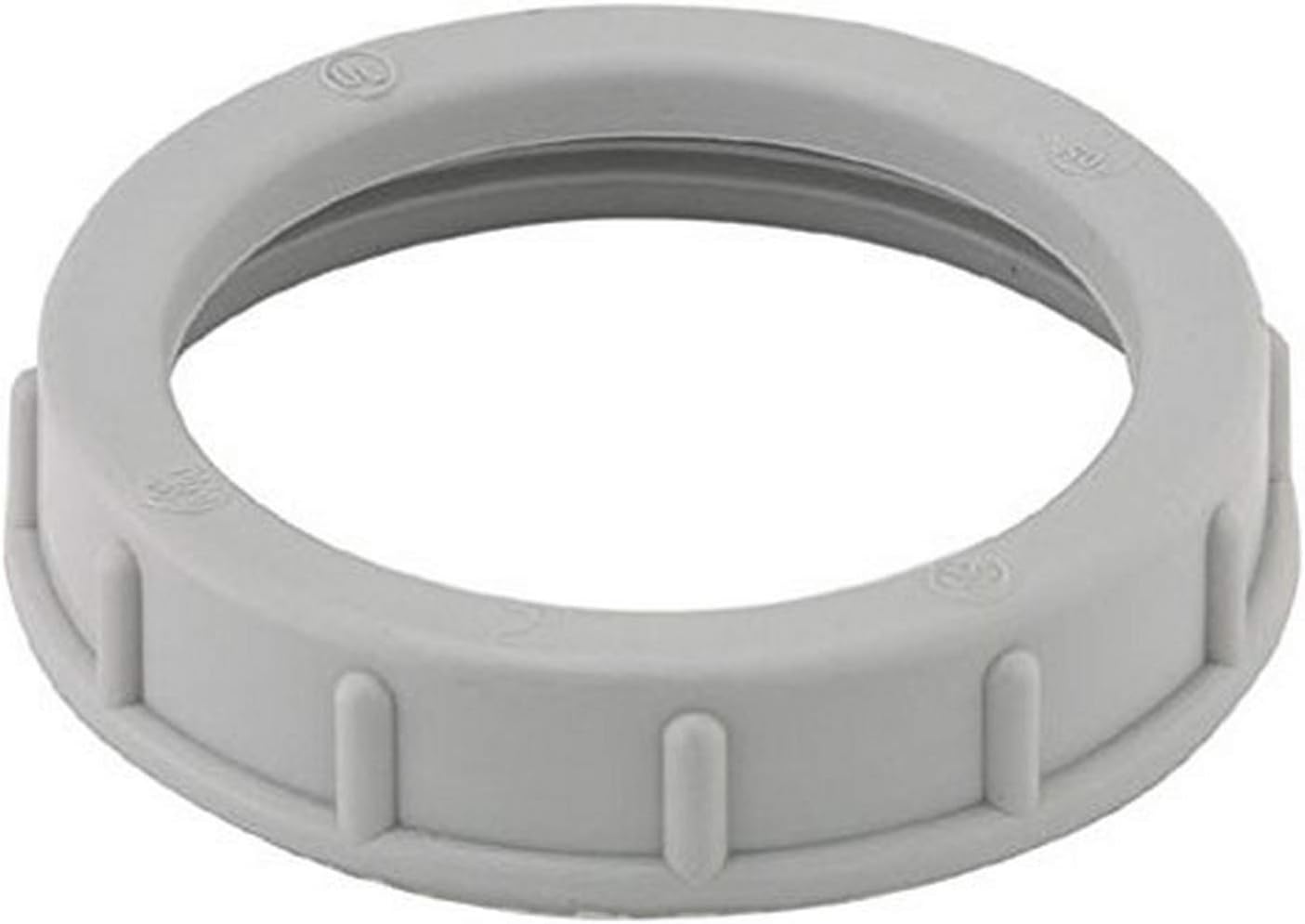
Where can I buy plastic bushings with self-lubricating properties for reduced maintenance needs?
If you are looking to purchase plastic bushings with self-lubricating properties to minimize maintenance requirements, there are several sources where you can find them. Here are some options to consider:
- Directly from Manufacturers: Many manufacturers specialize in producing plastic bushings with self-lubricating properties. Visiting the websites of reputable manufacturers is a good starting point. Look for manufacturers that offer self-lubricating plastic bushings as part of their product line. Their websites often provide detailed information about their products, including specifications, performance characteristics, and ordering details. You can usually find contact information or request a quote directly from the manufacturer’s website.
- Industrial Suppliers and Distributors: Industrial suppliers and distributors often carry a wide range of plastic bushings, including those with self-lubricating properties. These suppliers usually have catalogs or online platforms where you can search for and purchase the desired bushings. Some well-known industrial suppliers include Grainger, MSC Industrial Supply, and Motion Industries. Check their websites or contact them to inquire about the availability of self-lubricating plastic bushings.
- Online Marketplaces: Online marketplaces can be a convenient option for purchasing plastic bushings with self-lubricating properties. Websites such as Amazon, eBay, or Alibaba have a vast selection of industrial components, including self-lubricating plastic bushings. When using online marketplaces, it is important to verify the seller’s reputation and reviews to ensure the quality and authenticity of the products being offered.
- Local Industrial Supply Stores: Check if there are any local industrial supply stores or specialty bearing stores in your area. These stores often carry a variety of plastic bushings and can provide guidance on selecting the right self-lubricating bushings for your specific application. Visiting a local store allows you to physically examine the products and seek advice from knowledgeable staff before making a purchase.
- Trade Shows and Exhibitions: Trade shows and exhibitions focused on industrial components and machinery are excellent venues to explore and source self-lubricating plastic bushings. These events bring together manufacturers, suppliers, and industry professionals, providing an opportunity to see and compare different products in person. Attend relevant trade shows or exhibitions in your region to connect with suppliers and learn about the latest advancements in self-lubricating bushing technology.
When purchasing plastic bushings with self-lubricating properties, consider factors such as the specific requirements of your application, the expected loads and operating conditions, and the compatibility with the mating surfaces. Additionally, ensure that the chosen supplier or manufacturer has a reputation for delivering high-quality products and reliable customer service.
By exploring these sources and considering the factors mentioned above, you can find reputable suppliers of plastic bushings with self-lubricating properties, enabling you to reduce maintenance needs and enhance the performance and longevity of your machinery or equipment.
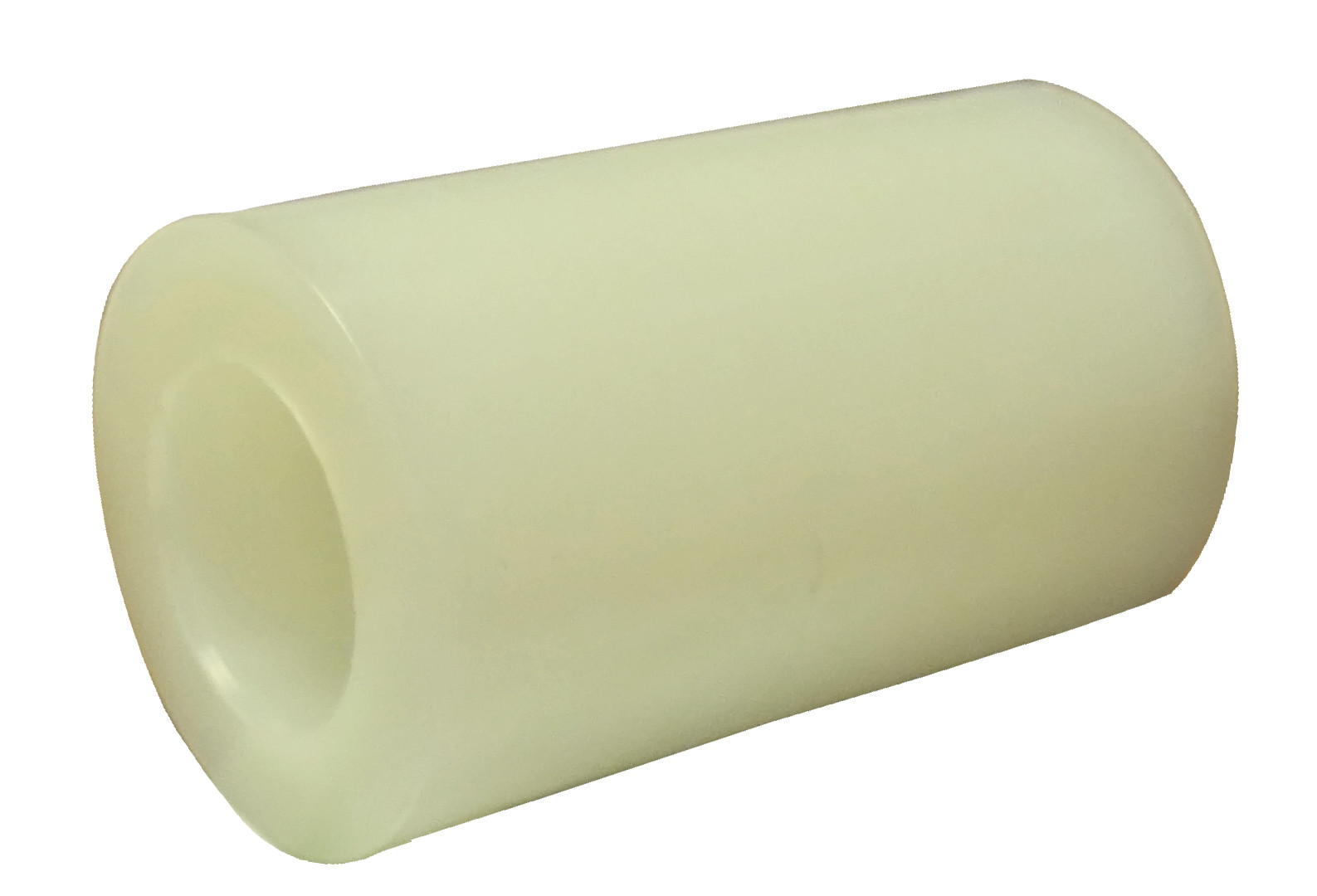
Are there different types of plastic materials used in manufacturing plastic bushings, and how do they affect performance?
Yes, there are different types of plastic materials used in manufacturing plastic bushings, and the choice of material can significantly affect their performance. Here are some common types of plastic materials used in plastic bushings and how they can impact performance:
- Nylon: Nylon is a widely used material for plastic bushings. It offers good wear resistance, low friction, and excellent load-carrying capacity. Nylon bushings are self-lubricating, reducing the need for additional lubrication. They are suitable for a wide range of applications and can operate in both dry and lubricated conditions.
- PTFE (Polytetrafluoroethylene): PTFE, commonly known by the brand name Teflon, is a high-performance plastic material with exceptional low-friction properties. PTFE bushings have excellent chemical resistance, operate well in high-temperature environments, and exhibit low wear rates. They are often used in demanding applications where high precision and low friction are critical.
- UHMW (Ultra-High-Molecular-Weight Polyethylene): UHMW is a durable and tough plastic material known for its high impact strength and abrasion resistance. UHMW bushings offer low friction, good chemical resistance, and excellent wear properties. They are commonly used in applications involving heavy loads, impact, or abrasive conditions.
- POM (Polyoxymethylene): POM, also known as acetal or Delrin, is a high-strength engineering plastic with good dimensional stability and low friction. POM bushings exhibit low moisture absorption, excellent wear resistance, and a low coefficient of friction against metal surfaces. They are suitable for applications requiring high precision, low wear, and resistance to moisture or chemicals.
- Composite Polymers: Composite polymers are materials that combine different plastic resins or incorporate reinforcing fibers or fillers. These composite materials can offer enhanced mechanical properties such as increased strength, improved wear resistance, or reduced friction. Composite polymer bushings are tailored for specific applications, and the choice of composite formulation depends on the desired performance characteristics.
The choice of plastic material for a specific application depends on various factors, including the operating conditions, load requirements, temperature range, speed, and environmental factors. Each plastic material has its own unique properties and advantages, which make them suitable for specific applications. For example, nylon bushings may be preferred for their balanced performance and versatility, while PTFE bushings excel in applications requiring low friction and high temperature resistance.
When selecting a plastic material for bushings, it’s important to consider factors such as load capacity, wear resistance, coefficient of friction, chemical resistance, temperature range, and compatibility with mating surfaces. Manufacturers and suppliers of plastic bushings can provide guidance on selecting the appropriate material based on your specific application requirements.
It’s worth noting that the performance of plastic bushings can be influenced by factors such as design considerations, surface finish, mating materials, and operating conditions. Proper installation, regular maintenance, and adherence to manufacturer guidelines are crucial for achieving optimal performance and longevity of plastic bushings in industrial applications.
By understanding the different types of plastic materials available and their impact on performance, you can make informed decisions when selecting plastic bushings for your specific application needs.


editor by lmc 2024-10-08