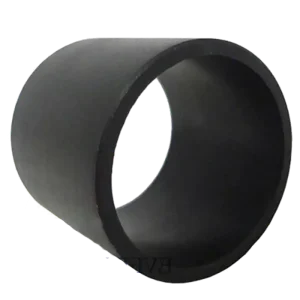
Description
Product Parameters
| Specification | Details | Specification | Details |
|---|---|---|---|
| Application | John Deere Combine: 6620, 6622, 7720, 7721, 8820, 9400, 9410, 9450, 9500, 9500SH, 9510, 9510SH, 9550, 9550SH, 9600, 9610, 9650, 9650CTS, 9650STS, 9750STS, CTS, CTS II | SKU | JD5215 |
| Reference Code | H171061 | Manufacturer | HZPT |
| Weight | 0.013KG | Finishing | Painting Green Color or Galvanize or Red or OEM |
| Packing | Carton or Wooden box or Iron Box |
How to Confirm That the H171061 Bushing Fits Your Combine Perfectly?
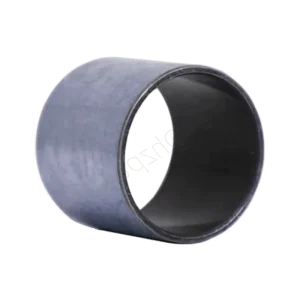
When replacing the bushings in the clean grain elevator, ensuring a precise fit is crucial. The H171061 bushing has an outer diameter of 1.128 inches (28.66mm), an inner diameter of 1.005 inches (25.53mm), and a width of 1.000 inches (25.40mm). These dimensions match the OEM specifications designed specifically for John Deere combines.
When purchasing, it’s important to double-check: first, confirm the OEM part number H171061, and second, measure the dimensions of the old bushing in your machine before it was worn. Particularly for different combine models like the 6620, 7720, or 9500, although the same part number is used, the installation grooves might slightly vary due to the manufacturing year. A Canadian customer shared his experience of measuring the old bushing before replacement and finding a 0.02-inch width difference, which helped him adjust his order to avoid fitting issues.
The Key Role of This Bushing
Though the H171061 bushing weighs only 0.013kg, it plays a critical role in the clean grain elevator. As a connecting part between the drive shaft and bearing housing, it directly impacts the smooth operation of the entire elevator.
A low-quality bushing can trigger a series of problems. First, the gap between the bushing and shaft increases, causing slight vibrations. These vibrations then affect the bearings, accelerating wear. Eventually, this can lead to the misalignment of the elevator chain, compromising grain separation efficiency. We encountered a farmer in Illinois who initially chose non-OEM bushings to save cost. Within six months, he had to replace the entire drive assembly at a cost more than twenty times that of using original bushings.
High-quality bushings absorb vibrations effectively, protecting both the bearing housing and shaft. It’s like putting a good pair of shoes on the rotating parts, allowing for smooth motion while preventing hard contact and wear.
The Differences Between Green Paint, Galvanized, and Red Coatings
The H171061 bushing offers multiple surface treatment options, each suited for different environments. Galvanized bushings are perfect for damp conditions, such as working in dew-laden fields or storing equipment in humid environments. The galvanized layer forms a protective coating that resists rust. The green paint option is more easily identifiable, making it simple to locate and install in complex machinery setups. The red coating is generally used in high-heat environments, offering superior heat resistance.
It’s important to choose based on your working conditions: if your combine is frequently moved across fields with unpredictable weather, the galvanized bushing may be the best option. If it’s used in a fixed location with seasonal use, the standard green-painted bushing should suffice. Of course, if you prefer to stick to OEM standards, you can opt for the OEM-specified color.
How to Safely Replace the Clean Grain Elevator Bushings?
Replacing the clean grain elevator bushings can be a bit technical, but with the right steps, you can do it yourself. First, ensure the equipment is completely shut down, and the engine is cool—this is a basic safety step.
The key steps are “clean, lubricate, and align.” Start by cleaning the bushing installation area thoroughly to remove any debris or metal shavings. These residues can significantly reduce the bushing’s lifespan. Then, apply a thin layer of grease to the shaft surface, which helps the bushing slide into place without damaging its inner surface. Finally, ensure that the bushing is properly aligned with the shaft during installation. Avoid using a hammer to force the bushing into position.
An Australian customer shared his experience of soaking the new bushing in warm water before installation. The thermal expansion helped make the process smoother and reduced resistance during installation. After installing, manually rotate the elevator a few turns to check for any abnormal resistance before starting the equipment for testing.
Important Purchasing Tips
When buying replacement bushings, many customers fall into common pitfalls. A typical mistake is relying too much on part numbers while neglecting actual size measurements. For example, one customer thought the part number was enough, only to find that the bushing width was slightly too large during installation. Upon further investigation, it turned out the machine had been fitted with non-standard bearing housings, which altered the installation size.
Another common issue is underestimating the importance of surface treatment. Some customers believe bushings are internal components, and surface protection isn’t important. However, in high-value equipment like combines, every detail matters for the overall lifespan. In dusty or humid environments, appropriate surface coatings can significantly extend the bushing’s service life.
If purchasing from overseas, pay attention to the packaging. Carton boxes are suitable for small quantities, while wooden or iron boxes are better for ocean shipping, as they provide better protection during long-distance transport.
Maintenance Tips for the H171061 Bushing
Replacing bushings is also a good opportunity to inspect other parts of the system. Experienced mechanics typically check the wear on the drive shaft, bearing clearances, and chain tension when replacing bushings.
We recommend incorporating preventive maintenance into your schedule: inspect the bushing’s wear at the beginning and end of each operating season. Normally, bushings should wear evenly, but if you notice uneven wear, it may indicate installation issues or that adjacent components are deformed. A Kansas-based professional technician told us he uses a dial indicator to measure the shaft’s radial runout when replacing bushings. This simple check can identify many potential problems early.
Also, keeping track of each bushing replacement, including its usage time, is helpful. This data can assist you in creating a maintenance history for your equipment, allowing you to optimize maintenance intervals tailored to your operating conditions.
FAQ
Can the bushing be replaced immediately after an emergency stop?
It’s not recommended to replace the bushing immediately after an emergency stop. The heat generated during operation causes metal parts to expand, and replacing the bushing too soon may result in it being installed too tightly. It’s best to wait until the equipment cools down to ambient temperature for more accurate measurements and installation.
Are the bushing specifications consistent across different years of the same combine model?
In most cases, the specifications of the bushings are consistent. However, John Deere occasionally makes slight improvements to parts. The most reliable way to ensure compatibility is to provide the equipment model and serial number when ordering, so we can confirm that the bushing will fit properly.
Can I use an uncoated raw metal bushing?
While it’s theoretically possible to use an uncoated metal bushing, we do not recommend it. Surface treatments not only prevent rust but also provide better lubrication during initial use. Bushings without a coating will wear down faster in the early stages of use.
How do I choose the best bushing coating for my combine?
The choice of bushing coating should depend on your working environment. Galvanized bushings offer better corrosion protection in humid or variable weather conditions. Green painted bushings are sufficient for mild environments. Red coatings are ideal for high-temperature applications. If you prefer original equipment standards, you can also opt for the OEM-specified color.
Customer Reviews
⭐⭐⭐⭐⭐ Carlos Martínez, Equipment Maintenance Manager, AgroTech Solutions, Spain
We’ve been using the H171061 bushing for a few months in our John Deere combine, and it’s been fantastic. The installation was smooth, and the bushing has helped reduce vibration significantly. It’s durable and performs well under heavy load. No issues so far—definitely a reliable choice for tough agricultural work.
⭐⭐⭐⭐⭐ Olivia Johansson, Farm Operations Supervisor, Nordic Harvesters, Sweden
The H171061 bushing was easy to install and fits perfectly with our John Deere combine. It’s holding up well in our cold, harsh environment and seems to be lasting longer than expected. Our equipment is running smoother, and maintenance is down. A solid choice for those in need of a sturdy bushing.
⭐⭐⭐⭐⭐ Luca Romano, Fleet Manager, Roman AgriTech, Italy
We’ve installed the H171061 bushing in several of our John Deere combines, and it’s been great for our high-demand operations. No signs of wear even after heavy use. It has kept everything running smoothly, and maintenance downtime is almost nonexistent. Worth the investment!
⭐⭐⭐⭐⭐ Ethan Thompson, Equipment Director, Green Fields Farm, UK
Been using the H171061 bushing for our John Deere combine for a while now, and it’s a game changer. It significantly reduces vibration and ensures the system runs smoothly. Even with heavy use, it’s holding up well. The price is higher than some options, but it’s been totally worth it. I’d buy it again in a heartbeat.